Garage Door Accessories That Support Smooth Operation
@kylerqerg417

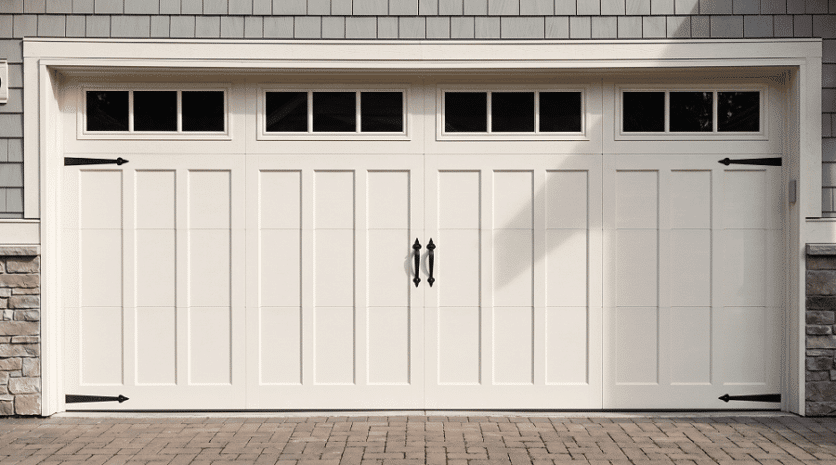
A garage door can look simple from the driveway, but anyone who has worked on one or lived with one for a few seasons knows better. It is a heavy moving system, not just a panel on hinges. When it opens smoothly, closes evenly, and responds every time, that reliability usually comes from the small supporting parts as much as the main door itself. People tend to notice the opener, the springs, and the tracks. What often gets overlooked are the accessories that reduce wear, improve alignment, quiet the system, and make daily use more predictable.
That oversight matters because a garage door does not usually fail all at once. It starts by getting louder. It hesitates in cold weather. The bottom seal drags. The remote works only from the end of the driveway. The rollers begin to chatter. A little friction here, a little slack there, and the whole system starts compensating. Over time, those minor issues increase strain on parts that are more expensive to replace.
When homeowners ask what actually helps a garage door run better over the long term, the answer is rarely one dramatic upgrade. It is usually a set of practical Garage Door Accessories chosen for the door’s weight, the local climate, and how often the system cycles each day. The best accessories support smooth operation quietly, in the background. They reduce stress, improve control, and help the door behave the same way on a humid summer afternoon as it does on a freezing January morning.
Smooth operation starts with friction control
If I had to narrow smooth performance down to one principle, it would be friction management. Garage doors move along tracks, pivot at hinges, and rely on tension and balance. Every point where metal meets metal, or where a wheel rolls under load, can either help motion or resist it.
Rollers are one of the clearest examples. Many builder-grade doors come with basic steel rollers, and they do the job for a while. But they tend to get noisy, especially once the bearings age or dust works its way into the assembly. Upgrading to nylon rollers with sealed bearings often makes a noticeable difference. The door does not just get quieter. It usually moves more cleanly through the track because the rollers maintain more consistent contact and introduce less vibration.
That said, not every nylon roller is equal. Lower-cost versions can wear faster on heavier double doors or in garages that see high daily use. On a light single-car door, they can be an excellent improvement. On a heavier insulated steel door, it pays to choose a roller rated for higher cycle counts and better bearing quality. The accessory is small, but the effect on sound, smoothness, and opener strain can be significant.
Hinges also influence friction more than most people realize. Worn hinges can shift panel alignment and create subtle binding as the door rounds the curved section of track. Replacing bent or fatigued hinges with the correct gauge and number is not glamorous, but it restores the path the door was designed to follow. That reduces drag and keeps the opener from having to muscle the door through a rough spot every time it moves.
The accessories that matter most in daily use
Some Garage Door Accessories support operation directly, while others improve consistency and protect the system from conditions that gradually cause rough movement. The most useful ones usually fall into a short practical group:
- High-quality rollers, especially nylon rollers with sealed bearings for quieter travel
- Reinforcement brackets and opener support brackets that reduce flex on the top section
- Weather seals and bottom astragals that keep out water, grit, and wind-driven debris
- Remote controls, keypads, and receivers that improve dependable access
- Vibration isolation pads or noise-reduction hardware for attached garages
That list covers only the most common upgrades, but it reflects what tends to matter in real garages. A door that flexes at the top panel, for example, often develops operational quirks that look like opener problems. In reality, the opener is pulling against a section that twists slightly under load. A properly installed reinforcement bracket spreads that force more evenly. On lightweight doors, that can extend the life of both the top section and the opener arm connection.
Noise-reduction accessories are also worth more attention than they get. In detached garages, noise is mostly an annoyance. In attached garages under bedrooms or beside living spaces, vibration becomes a quality-of-life issue. Anti-vibration pads under the opener mounting points, as well as quieter rollers and proper hardware tightening, can transform how the system feels in the house. It is not unusual to cut perceived noise dramatically without replacing the whole opener.
Why seals and weather barriers affect movement
Weatherstripping gets treated as a comfort or energy item, but it also supports smooth operation. Dirt, leaves, road salt, and moisture all find their way into garages. Once that debris collects in the track area or along the threshold, it interferes with the clean movement of the bottom section and rollers. In cold climates, moisture at the floor can freeze the bottom seal to the concrete, causing the opener to strain or reverse.
A good bottom seal helps the door seat evenly and keeps out a surprising amount of grit. Side and top seals matter too, especially where wind drives fine dust into the opening. I have seen garages near gravel roads where tracks needed frequent cleaning simply because the perimeter seal had hardened and cracked. Replacing those seals did more for smooth daily operation than any lubricant could.
The trade-off is that seals do age. Rubber and vinyl components stiffen, shrink, or tear, particularly on south-facing garages that take full sun. A fresh seal glides and compresses properly. An old one can drag unevenly or leave gaps that invite moisture in. The goal is not just weather protection. It is maintaining a clean, consistent opening where the door can travel without extra resistance.
Threshold seals deserve a mention as well. They are not right for every garage, especially if water drainage is already poor or if the slab has slope issues, but when used appropriately they can reduce the amount of debris and standing water reaching the bottom of the door. Less contamination at the threshold usually means less wear on the lower hardware over time.
Openers depend on the right supporting hardware
People often blame the opener first when a door starts acting up. Sometimes the opener is the issue, but just as often it is reacting to a mechanical problem elsewhere. Accessories that support the opener’s job can improve performance and protect the motor from unnecessary load.
A surge protector is a simple example. Modern openers contain electronics that are more sensitive than the old purely mechanical units. Power fluctuations may not destroy a board overnight, but they can shorten the life of components or create odd intermittent behavior. In areas with frequent storms or unstable power, surge protection is cheap insurance.
Battery backup systems are another practical addition. They are usually discussed as convenience or safety features, and they are, but they Garage Door Accessories also help keep the opener functioning consistently during outages. For homes where the garage is a main entry point, that matters more than many owners think. The first time the power drops during heavy rain or a winter storm, a reliable backup stops being an optional extra.
Photo eyes and safety sensors are not usually described as accessories in casual conversation, but they are critical support components. Misaligned or dirty sensors can cause random reversals or refusal to close. That is not smooth operation by any definition. Keeping them clean, securely mounted, and aligned is a simple maintenance habit with immediate results.
Wireless keypads, extra remotes, and upgraded receivers do not affect the physical travel of the door, but they improve user interaction with the system. If a remote only works from a few feet away, users start pressing the button repeatedly. That can lead to partial cycles, interrupted movement, or confusion about whether the door actually received the signal. Better access hardware creates cleaner operation because commands are reliable and intentional.
Reinforcement matters more on larger and insulated doors
The trend toward heavier insulated garage doors has changed the value of certain accessories. Doors are better built than many older models, but they also place more load on supporting components. Top-section reinforcement struts, operator brackets, and wind-load reinforcements can all help maintain smooth travel by reducing deflection.
You see this especially on wider doors. A 16-foot double door covers a lot of span. Even a well-made section can flex when the opener pulls from the center. That flex may be small, but over thousands of cycles it can loosen hardware, affect panel alignment, and create a jerky feel at the start of travel. Reinforcement distributes forces and helps the section move as one unit instead of bowing around the attachment point.
This is one area where judgment matters. More hardware is not automatically better. Poorly matched reinforcement can add weight or interfere with proper balance if installed without considering the door’s design. The accessory needs to fit the specific door, opener type, and spring setup. Smooth operation comes from compatibility, not just from adding metal.
Lubrication accessories and maintenance tools
There is a difference between accessories that stay on the door and products that support its care. Lubricants, cleaning tools, and adjustment aids might not be glamorous, but they are some of the most cost-effective ways to keep a door running well.
The right lubricant is important. Heavy grease attracts grit. General-purpose spray lubricants may work briefly, but some evaporate quickly or fail to protect bearings and hinges under repeated use. A garage-door-specific lubricant, applied lightly to rollers, hinges, and springs where appropriate, usually gives better results. The goal is not to soak the hardware. Too much product can collect dust and become its own problem.
Track cleaning is another overlooked task. Tracks typically should not be lubricated in the same way as moving pivot points, because a slick track can still collect debris and create mess. What helps more is keeping them clean, dry, and free of dents. A small buildup of hardened grime can affect roller travel enough to create noise or inconsistent movement.
For homeowners who want a realistic maintenance routine, this is the short version:
- Inspect rollers, hinges, and brackets every few months for wear or looseness
- Clean the photo eyes and check that the door closes without reversing unexpectedly
- Wipe debris from tracks and around the threshold area
- Apply a garage-door lubricant sparingly to hinges, roller bearings, and springs if recommended by the manufacturer
- Replace cracked seals before they start letting in water and grit
That routine takes less time than most people expect. Ten or fifteen minutes a few times a year can prevent the slow decline that makes a door feel old before its time.
Small upgrades that solve specific problems
Not every accessory belongs on every garage. The best results come from matching the upgrade to the symptom.
If the main complaint is noise, start with rollers and vibration control. If the issue is drafts and dirty tracks, focus on perimeter seals and the bottom seal. If the opener struggles at the top section, look at reinforcement hardware. If access is unreliable, evaluate remotes, antennas, batteries, and receiver range before assuming the opener is failing.
One homeowner I worked with was ready to replace a relatively new opener because the door had become erratic and louder over the course of a year. The opener itself was fine. The real problems were worn rollers, a flattened bottom seal that had been dragging slightly on an uneven slab, and loose mounting hardware that amplified vibration through the ceiling joists. Addressing those points cost a fraction of a new motor unit and made the system feel properly tuned again.
That kind of situation is common. Garage doors are systems, and systems rarely improve when one part is upgraded in isolation while the supporting pieces are ignored.
Climate changes what accessory choices make sense
Local conditions shape accessory decisions more than people sometimes expect. In coastal areas, corrosion resistance matters. Stainless or better-coated hardware can earn its keep quickly where salt air reaches the garage. In colder climates, flexible seals and reliable battery backups matter more. In dusty rural settings, sealed bearings and effective perimeter weatherstripping tend to pay off.
Heat and sun also matter. South- and west-facing doors often age differently than shaded doors on the same street. Seals dry out faster, plastic keypad covers crack sooner, and some lower-end materials become brittle. Spending slightly more on UV-resistant accessories in those exposures can reduce replacement frequency.
Humidity changes maintenance patterns too. In damp garages, metal components may need closer inspection for rust, especially around brackets and bottom fixtures. A door can remain technically operational while corrosion slowly increases friction and weakens fasteners. Smooth operation is easier to preserve than to restore after neglect.
What not to overinvest in
It is easy to buy accessories that sound helpful but do little for actual performance. Decorative hardware, for example, can improve appearance but does not support operation unless it doubles as reinforcement and is designed for the door. Smart controls and app integrations can be convenient, but if the door is noisy, unbalanced, or dragging, no amount of connectivity solves the underlying issue.
There is also a temptation to chase symptoms with add-ons when the real need is adjustment or repair. A door that is out of balance because of spring issues will never operate properly just because you install quieter rollers or a new remote. Accessories support smooth operation, they do not replace core mechanical health.
That is particularly important when springs, cables, and high-tension components are involved. Those are not casual DIY accessories. If the door feels unusually heavy, drops too fast, or will not stay partially open, the problem reaches beyond supportive hardware and calls for professional service.
Choosing accessories with a long view
The most cost-effective Garage Door Accessories are usually the ones that reduce stress on expensive parts. Good rollers are cheaper than a burned-out opener. Fresh seals are cheaper than corrosion and floor damage from repeated water intrusion. A reinforcement bracket is cheaper than a cracked top panel.
Think in terms of cycle count and use pattern. A household where the garage door opens eight or ten times a day should buy differently than one where it moves only a few times a week. The same goes for door size. A light aluminum single door can tolerate accessory choices that would wear quickly on a heavy insulated steel double.
Compatibility matters, too. Hardware sizing, stem length on rollers, track shape, opener type, and door construction all influence whether an accessory genuinely helps. The best installations feel uneventful afterward. The door simply starts moving more cleanly, more quietly, and with less fuss.
A smooth garage door does not happen by accident. It comes from attention to the small parts that guide motion, absorb vibration, block contamination, and support alignment. When those parts are chosen well and maintained sensibly, the whole system works with less strain. Garage Door Accessories That is what most homeowners actually want, not a flashy feature set, but a door that opens when asked, closes evenly, and keeps doing both year after year.
Select Garage Doors
11479 Pine Dr, Parker, CO 80134, United States
+1 303-228-0018
FAQ About Garage Door Accessories
What are garage door parts called?
Common door components include panels, hinges, rollers, tracks, springs, cables, and weather seals. The opener is a separate operating system, with accessories such as remotes, keypads, and compatible smart controls. Identify the door and opener model before choosing a part; springs, cables, and other loaded components should be assessed and serviced by a trained garage door technician.
What garage door supplies do I need?
The right supplies depend on the problem or upgrade you want to address. Common accessories include replacement remotes, wireless keypads, weather seals, decorative handles and hinges, and compatible smart controls. Check model compatibility and the manufacturer's instructions before buying. A technician can inspect the system and recommend suitable accessories without replacing otherwise serviceable equipment.
Where can I find garage door accessories in Parker?
Select Garage Doors supplies and installs garage door accessories for Parker homeowners. Contact the company with your opener brand and model, door details, and the upgrade you want so it can confirm compatibility, availability, pricing, and installation requirements. Confirm collection or appointment arrangements before visiting.